Buy ip-forum.eu ?
We are moving the project
ip-forum.eu .
Are you interested in purchasing the domain
ip-forum.eu ?
domain@kv-gmbh.de · 0541-91531010
Buy ip-forum.eu ?
Is the LAN cable STP or UTP?
The LAN cable can be either STP (Shielded Twisted Pair) or UTP (Unshielded Twisted Pair). STP cables have an extra layer of shielding to protect against electromagnetic interference, while UTP cables do not have this additional shielding. The choice between STP and UTP cables depends on the specific requirements of the network and the level of interference present in the environment. **
Do I need a UTP, FTP, or SFTP LAN cable?
The type of LAN cable you need depends on your specific requirements. 1. UTP (Unshielded Twisted Pair) cables are suitable for most home and small office networks as they are cost-effective and provide good performance for short to medium distances. 2. FTP (Foiled Twisted Pair) cables have an extra layer of shielding, making them more resistant to interference and suitable for environments with high electromagnetic interference. 3. SFTP (Shielded Foiled Twisted Pair) cables offer the highest level of protection against interference and are ideal for industrial or commercial settings where there is a high risk of electromagnetic interference. Consider your environment and network needs to determine the most suitable LAN cable for your setup. **

Similar search terms for Utp
Top-Angebote
Products related to Utp:
-
Our Voices: Neighborhood & Community Boxed SetFoster a feeling of belonging while building key reading skills with these colorful storybooks that spotlight a variety of neighborhoods and communities. The 10 charming stories feature characters from different cultural backgrounds who learn about...32,37 $*Shipping: 0,00 $Secure redirect to the provider
-
Dietisa Sap Ip (Lecithin Soy)Nutrition and Supplements Lecithins Dietisa Sap Ip (Lecithin Soy) Nutritional preparation of soy lecithin that helps maintain normal cholesterol levels. Savid IP (Identity preserved) offers the highest quality and homogeneity in its nutritional contributions, as well as Guaranteed traceability, which ensures the absence of genetically modified organisms (GMOs), from their seeds and culture, to the complete elaboration of the product. Soy Lecithin Savid IP is a natural mixture of phospholipids, mainly phosphatidylcholine It is recommended to take 2 tablespoons per day (12 g). Can be consumed alone or incorporated to meals13,21 £*Shipping: 3,99 £Secure redirect to the provider
-
Livabliss Forum Modern & Contemporary Area RugThis modern Forum area rug is crafted from luxurious wool and hand-tufted in India. The medium pile height ensures a comfortable and inviting feel, while the high/low design creates an eye-catching texture.1966,99 $*Shipping: 0,00 $Secure redirect to the provider




-
Why are there unshielded U/UTP Cat 7 network cables?
Unshielded U/UTP Cat 7 network cables exist because they are designed for specific applications where electromagnetic interference is not a concern. These cables are typically used in environments where there is minimal risk of interference, such as in residential or small office settings. Additionally, unshielded cables are often more cost-effective and easier to install compared to shielded cables, making them a practical choice for certain networking needs. However, it's important to consider the potential for interference when choosing between shielded and unshielded cables for a particular application. **
-
What is the difference between UTP, FTP, SFTP, and LAN cables?
UTP (Unshielded Twisted Pair) cables are the most common type of Ethernet cables used in LAN (Local Area Network) connections. They are made of twisted pairs of copper wires and are not shielded, making them more susceptible to interference. FTP (Foiled Twisted Pair) cables are similar to UTP cables, but they have an additional layer of foil shielding to protect against electromagnetic interference. SFTP (Shielded Foiled Twisted Pair) cables have both foil and braided shielding, providing even more protection against interference. LAN cables, on the other hand, refer to any type of cable used to connect devices within a local area network, including UTP, FTP, and SFTP cables. **
-
What is the maximum speed of a UTP, STP, and fiber optic cable?
The maximum speed of a UTP (Unshielded Twisted Pair) cable is typically 1 Gbps (Gigabit per second) for Cat 5e and 10 Gbps for Cat 6a. STP (Shielded Twisted Pair) cables can also support speeds of up to 10 Gbps. Fiber optic cables, on the other hand, can support much higher speeds, with some types capable of transmitting data at speeds of 10 Gbps, 40 Gbps, 100 Gbps, or even higher, depending on the type and quality of the fiber optic cable. **
-
Why is information and communication technology referred to as useful energy?
Information and communication technology is referred to as useful energy because it enables the efficient transmission and processing of information, leading to increased productivity and effectiveness in various tasks. Just like energy is essential for powering machines and devices, ICT provides the necessary tools and resources for communication, data storage, and problem-solving. It plays a crucial role in powering modern economies and societies by facilitating connectivity, innovation, and collaboration. **


What does an electronics technician specializing in information and communication technology earn?
An electronics technician specializing in information and communication technology can earn an average salary of around $60,000 to $80,000 per year, depending on factors such as experience, location, and employer. With additional certifications or advanced degrees, they may be able to command higher salaries. Overall, this field offers competitive wages and opportunities for career growth as technology continues to advance. **
How much does an electronics technician for information and communication technology earn?
The salary of an electronics technician for information and communication technology can vary depending on factors such as experience, location, and employer. On average, in the United States, an electronics technician in this field can earn between $40,000 to $70,000 per year. However, with more experience and specialized skills, technicians can earn higher salaries, potentially exceeding $80,000 annually. It's important to research specific companies and regions to get a more accurate idea of salary expectations. **
Top-Angebote
Products related to Utp:
-
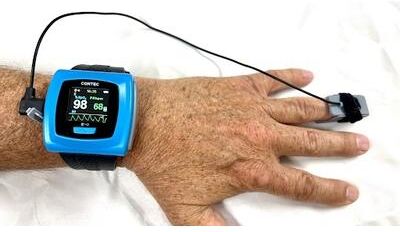
Concord Health Supply Wrist-Worn Pulse Oximeter with Digital Software Download and Download Cable""" Rechargeable Wrist-Worn Pulse Oximeter The wrist pulse oximeter features a color, multi-direction OLED screen with four levels of brightness. The easy-to-read color OLED display can be adjusted to be readable either horizontally or vertically. The..."109,00 $*Shipping: 0,00 $Secure redirect to the provider
-
Livabliss Forum Modern & Contemporary Area RugThis modern Forum area rug is crafted from luxurious wool and hand-tufted in India. The medium pile height ensures a comfortable and inviting feel, while the high/low design creates an eye-catching texture.612,99 $*Shipping: 0,00 $Secure redirect to the provider
-
Our Voices: Neighborhood & Community Boxed SetFoster a feeling of belonging while building key reading skills with these colorful storybooks that spotlight a variety of neighborhoods and communities. The 10 charming stories feature characters from different cultural backgrounds who learn about...32,37 $*Shipping: 0,00 $Secure redirect to the provider
-
Is the LAN cable STP or UTP?
The LAN cable can be either STP (Shielded Twisted Pair) or UTP (Unshielded Twisted Pair). STP cables have an extra layer of shielding to protect against electromagnetic interference, while UTP cables do not have this additional shielding. The choice between STP and UTP cables depends on the specific requirements of the network and the level of interference present in the environment. **
-
Do I need a UTP, FTP, or SFTP LAN cable?
The type of LAN cable you need depends on your specific requirements. 1. UTP (Unshielded Twisted Pair) cables are suitable for most home and small office networks as they are cost-effective and provide good performance for short to medium distances. 2. FTP (Foiled Twisted Pair) cables have an extra layer of shielding, making them more resistant to interference and suitable for environments with high electromagnetic interference. 3. SFTP (Shielded Foiled Twisted Pair) cables offer the highest level of protection against interference and are ideal for industrial or commercial settings where there is a high risk of electromagnetic interference. Consider your environment and network needs to determine the most suitable LAN cable for your setup. **
-
Why are there unshielded U/UTP Cat 7 network cables?
Unshielded U/UTP Cat 7 network cables exist because they are designed for specific applications where electromagnetic interference is not a concern. These cables are typically used in environments where there is minimal risk of interference, such as in residential or small office settings. Additionally, unshielded cables are often more cost-effective and easier to install compared to shielded cables, making them a practical choice for certain networking needs. However, it's important to consider the potential for interference when choosing between shielded and unshielded cables for a particular application. **
-
What is the difference between UTP, FTP, SFTP, and LAN cables?
UTP (Unshielded Twisted Pair) cables are the most common type of Ethernet cables used in LAN (Local Area Network) connections. They are made of twisted pairs of copper wires and are not shielded, making them more susceptible to interference. FTP (Foiled Twisted Pair) cables are similar to UTP cables, but they have an additional layer of foil shielding to protect against electromagnetic interference. SFTP (Shielded Foiled Twisted Pair) cables have both foil and braided shielding, providing even more protection against interference. LAN cables, on the other hand, refer to any type of cable used to connect devices within a local area network, including UTP, FTP, and SFTP cables. **
Similar search terms for Utp
-
Dietisa Sap Ip (Lecithin Soy)Nutrition and Supplements Lecithins Dietisa Sap Ip (Lecithin Soy) Nutritional preparation of soy lecithin that helps maintain normal cholesterol levels. Savid IP (Identity preserved) offers the highest quality and homogeneity in its nutritional contributions, as well as Guaranteed traceability, which ensures the absence of genetically modified organisms (GMOs), from their seeds and culture, to the complete elaboration of the product. Soy Lecithin Savid IP is a natural mixture of phospholipids, mainly phosphatidylcholine It is recommended to take 2 tablespoons per day (12 g). Can be consumed alone or incorporated to meals13,21 £*Shipping: 3,99 £Secure redirect to the provider
-
Livabliss Forum Modern & Contemporary Area RugThis modern Forum area rug is crafted from luxurious wool and hand-tufted in India. The medium pile height ensures a comfortable and inviting feel, while the high/low design creates an eye-catching texture.1966,99 $*Shipping: 0,00 $Secure redirect to the provider
-
Livabliss Forum Modern & Contemporary Area RugThis modern Forum area rug is crafted from luxurious wool and hand-tufted in India. The medium pile height ensures a comfortable and inviting feel, while the high/low design creates an eye-catching texture.1217,99 $*Shipping: 0,00 $Secure redirect to the provider
-
What is the maximum speed of a UTP, STP, and fiber optic cable?
The maximum speed of a UTP (Unshielded Twisted Pair) cable is typically 1 Gbps (Gigabit per second) for Cat 5e and 10 Gbps for Cat 6a. STP (Shielded Twisted Pair) cables can also support speeds of up to 10 Gbps. Fiber optic cables, on the other hand, can support much higher speeds, with some types capable of transmitting data at speeds of 10 Gbps, 40 Gbps, 100 Gbps, or even higher, depending on the type and quality of the fiber optic cable. **
-
Why is information and communication technology referred to as useful energy?
Information and communication technology is referred to as useful energy because it enables the efficient transmission and processing of information, leading to increased productivity and effectiveness in various tasks. Just like energy is essential for powering machines and devices, ICT provides the necessary tools and resources for communication, data storage, and problem-solving. It plays a crucial role in powering modern economies and societies by facilitating connectivity, innovation, and collaboration. **
-
What does an electronics technician specializing in information and communication technology earn?
An electronics technician specializing in information and communication technology can earn an average salary of around $60,000 to $80,000 per year, depending on factors such as experience, location, and employer. With additional certifications or advanced degrees, they may be able to command higher salaries. Overall, this field offers competitive wages and opportunities for career growth as technology continues to advance. **
-
How much does an electronics technician for information and communication technology earn?
The salary of an electronics technician for information and communication technology can vary depending on factors such as experience, location, and employer. On average, in the United States, an electronics technician in this field can earn between $40,000 to $70,000 per year. However, with more experience and specialized skills, technicians can earn higher salaries, potentially exceeding $80,000 annually. It's important to research specific companies and regions to get a more accurate idea of salary expectations. **
* All prices are inclusive of VAT and, if applicable, plus shipping costs. The offer information is based on the details provided by the respective shop and is updated through automated processes. Real-time updates do not occur, so deviations can occur in individual cases. ** Note: Parts of this content were created by AI.