Buy ip-forum.eu ?
We are moving the project
ip-forum.eu .
Are you interested in purchasing the domain
ip-forum.eu ?
domain@kv-gmbh.de · 0541-91531010
Buy ip-forum.eu ?
Is teleological ethics the same as teleology?
Teleological ethics and teleology are related concepts, but they are not the same. Teleological ethics is a moral theory that emphasizes the consequences or outcomes of actions as the basis for determining their ethical value. Teleology, on the other hand, is a broader philosophical concept that refers to the study of purpose or goals in nature and human existence. While teleological ethics is a specific application of teleology to moral decision-making, teleology encompasses a wider range of philosophical inquiries into purpose and design in the natural world. **
What is meant by deontological and teleological?
Deontological ethics is an ethical theory that focuses on the inherent rightness or wrongness of actions themselves, rather than the consequences of those actions. It emphasizes the importance of following moral rules and duties, regardless of the outcomes. On the other hand, teleological ethics, also known as consequentialism, is an ethical theory that evaluates the morality of actions based on their outcomes or consequences. It emphasizes the idea that the rightness or wrongness of an action is determined by the overall good or bad results it produces. In summary, deontological ethics focuses on the inherent nature of actions, while teleological ethics focuses on the outcomes of actions. **


Similar search terms for Teleological
Top-Angebote
Products related to Teleological:
-
Livabliss Forum Modern & Contemporary Area RugThis modern Forum area rug is crafted from luxurious wool and hand-tufted in India. The medium pile height ensures a comfortable and inviting feel, while the high/low design creates an eye-catching texture.321,99 $*Shipping: 0,00 $Secure redirect to the provider
-
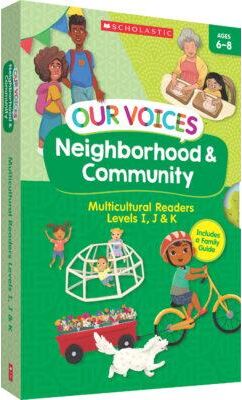
Our Voices: Neighborhood & Community Boxed SetFoster a feeling of belonging while building key reading skills with these colorful storybooks that spotlight a variety of neighborhoods and communities. The 10 charming stories feature characters from different cultural backgrounds who learn about...32,37 $*Shipping: 0,00 $Secure redirect to the provider
-
LightInthebox Upgraded Dual Lens 10XHybrid Zoom Light Bulb Security Camera WIFI 360 Auto Tracking Security Camera Color Night Vision Siren Light Alarm PTZ IP Camera For Home SecurityWhat's in the box:IP camera,English and Chinese Manual; Lens:4; Environment:Indoor,Apartment,Garden,Bedroom; Connection:WIFI; Shape:Bulb; Type:IP Camera; Viewing Angle:355; Features:Motion Detection,Remote Access,Waterproof; Listing Date:03/08/2023;...54,99 $*Shipping: 12,60 $Secure redirect to the provider



-
Does discourse ethics have a teleological or deontological approach?
Discourse ethics is primarily associated with a deontological approach. It focuses on the principles of communication and interaction between individuals, emphasizing the importance of ethical norms and rules in guiding discourse. The goal is to ensure that communication is based on mutual respect, equality, and rationality, rather than aiming towards a specific outcome or goal. By prioritizing the ethical principles of communication, discourse ethics aims to create a fair and just dialogue among participants. **
-
What is the teleological argument for the existence of God?
The teleological argument, also known as the argument from design, posits that the complexity and order in the universe suggest the existence of a designer, which is often equated with God. This argument points to the intricate design and purposeful arrangement of elements in the natural world, such as the human eye or the fine-tuning of physical constants, as evidence of an intelligent creator. Proponents of the teleological argument argue that the presence of design implies a designer, leading to the conclusion that God must exist as the ultimate designer of the universe. **
-
Can someone explain Aristotle's teleological view of the world to me?
Aristotle's teleological view of the world is based on the idea that everything in the natural world has a purpose or goal. According to Aristotle, all things in nature strive towards their own perfection or fulfillment. This means that each object or organism has a specific function or purpose that it is naturally inclined to fulfill. For example, the purpose of an acorn is to grow into an oak tree. This teleological perspective suggests that there is an inherent order and purpose in the natural world, and that everything has a specific role to play in the overall functioning of the universe. **
-
Does the teleological cosmic Kalam argument rely on a fatal fallacy?
The teleological cosmic Kalam argument does not rely on a fatal fallacy. The argument, which posits that the universe has a cause and that cause must be God, is based on the idea that the universe had a beginning and therefore requires a cause. While there may be objections and counterarguments to the Kalam argument, it does not contain a fatal fallacy. It is a philosophical and theological argument that has been debated and discussed for centuries, and while it may not be universally accepted, it is a valid and coherent argument within the realm of philosophical and theological discourse. **


What are the arguments against the teleological argument for the existence of God?
The teleological argument, also known as the argument from design, posits that the complexity and order in the universe point to the existence of an intelligent designer, namely God. However, there are several counterarguments to this claim. One argument is that the apparent design in the universe can be explained by natural processes such as evolution, without the need for a supernatural designer. Additionally, the presence of imperfections and instances of apparent "bad design" in the natural world, such as the existence of diseases and natural disasters, is seen as evidence against the idea of a perfect and benevolent designer. Furthermore, the teleological argument is criticized for relying on analogical reasoning, which may not be a sound basis for establishing the existence of a divine creator. **
Why is information and communication technology referred to as useful energy?
Information and communication technology is referred to as useful energy because it enables the efficient transmission and processing of information, leading to increased productivity and effectiveness in various tasks. Just like energy is essential for powering machines and devices, ICT provides the necessary tools and resources for communication, data storage, and problem-solving. It plays a crucial role in powering modern economies and societies by facilitating connectivity, innovation, and collaboration. **
Top-Angebote
Products related to Teleological:
-
LightInthebox Upgraded Dual Lens 10XHybrid Zoom Light Bulb Security Camera WIFI 360 Auto Tracking Security Camera Color Night Vision Siren Light Alarm PTZ IP Camera For Home SecurityWhat's in the box:IP camera,English and Chinese Manual; Lens:4; Environment:Indoor,Apartment,Garden,Bedroom; Connection:WIFI; Shape:Bulb; Type:IP Camera; Viewing Angle:355; Features:Motion Detection,Remote Access,Waterproof; Listing Date:03/08/2023;...61,79 $*Shipping: 12,60 $Secure redirect to the provider
-
Concord Health Supply Wrist-Worn Pulse Oximeter with Digital Software Download and Download Cable""" Rechargeable Wrist-Worn Pulse Oximeter The wrist pulse oximeter features a color, multi-direction OLED screen with four levels of brightness. The easy-to-read color OLED display can be adjusted to be readable either horizontally or vertically. The..."109,00 $*Shipping: 0,00 $Secure redirect to the provider
-
Livabliss Forum Modern & Contemporary Area RugThis modern Forum area rug is crafted from luxurious wool and hand-tufted in India. The medium pile height ensures a comfortable and inviting feel, while the high/low design creates an eye-catching texture.321,99 $*Shipping: 0,00 $Secure redirect to the provider
-
Our Voices: Neighborhood & Community Boxed SetFoster a feeling of belonging while building key reading skills with these colorful storybooks that spotlight a variety of neighborhoods and communities. The 10 charming stories feature characters from different cultural backgrounds who learn about...32,37 $*Shipping: 0,00 $Secure redirect to the provider
-
Is teleological ethics the same as teleology?
Teleological ethics and teleology are related concepts, but they are not the same. Teleological ethics is a moral theory that emphasizes the consequences or outcomes of actions as the basis for determining their ethical value. Teleology, on the other hand, is a broader philosophical concept that refers to the study of purpose or goals in nature and human existence. While teleological ethics is a specific application of teleology to moral decision-making, teleology encompasses a wider range of philosophical inquiries into purpose and design in the natural world. **
-
What is meant by deontological and teleological?
Deontological ethics is an ethical theory that focuses on the inherent rightness or wrongness of actions themselves, rather than the consequences of those actions. It emphasizes the importance of following moral rules and duties, regardless of the outcomes. On the other hand, teleological ethics, also known as consequentialism, is an ethical theory that evaluates the morality of actions based on their outcomes or consequences. It emphasizes the idea that the rightness or wrongness of an action is determined by the overall good or bad results it produces. In summary, deontological ethics focuses on the inherent nature of actions, while teleological ethics focuses on the outcomes of actions. **
-
Does discourse ethics have a teleological or deontological approach?
Discourse ethics is primarily associated with a deontological approach. It focuses on the principles of communication and interaction between individuals, emphasizing the importance of ethical norms and rules in guiding discourse. The goal is to ensure that communication is based on mutual respect, equality, and rationality, rather than aiming towards a specific outcome or goal. By prioritizing the ethical principles of communication, discourse ethics aims to create a fair and just dialogue among participants. **
-
What is the teleological argument for the existence of God?
The teleological argument, also known as the argument from design, posits that the complexity and order in the universe suggest the existence of a designer, which is often equated with God. This argument points to the intricate design and purposeful arrangement of elements in the natural world, such as the human eye or the fine-tuning of physical constants, as evidence of an intelligent creator. Proponents of the teleological argument argue that the presence of design implies a designer, leading to the conclusion that God must exist as the ultimate designer of the universe. **
Similar search terms for Teleological
-
LightInthebox Upgraded Dual Lens 10XHybrid Zoom Light Bulb Security Camera WIFI 360 Auto Tracking Security Camera Color Night Vision Siren Light Alarm PTZ IP Camera For Home SecurityWhat's in the box:IP camera,English and Chinese Manual; Lens:4; Environment:Indoor,Apartment,Garden,Bedroom; Connection:WIFI; Shape:Bulb; Type:IP Camera; Viewing Angle:355; Features:Motion Detection,Remote Access,Waterproof; Listing Date:03/08/2023;...54,99 $*Shipping: 12,60 $Secure redirect to the provider
-
LightInthebox Upgraded Dual Lens 10XHybrid Zoom Light Bulb Security Camera WIFI 360 Auto Tracking Security Camera Color Night Vision Siren Light Alarm PTZ IP Camera For Home SecurityWhat's in the box:IP camera,English and Chinese Manual; Lens:4; Environment:Indoor,Apartment,Garden,Bedroom; Connection:WIFI; Shape:Bulb; Type:IP Camera; Viewing Angle:355; Features:Motion Detection,Remote Access,Waterproof; Listing Date:03/08/2023;...60,09 $*Shipping: 12,60 $Secure redirect to the provider
-
Livabliss Forum Modern & Contemporary Area RugThis modern Forum area rug is crafted from luxurious wool and hand-tufted in India. The medium pile height ensures a comfortable and inviting feel, while the high/low design creates an eye-catching texture.1217,99 $*Shipping: 0,00 $Secure redirect to the provider
-
Can someone explain Aristotle's teleological view of the world to me?
Aristotle's teleological view of the world is based on the idea that everything in the natural world has a purpose or goal. According to Aristotle, all things in nature strive towards their own perfection or fulfillment. This means that each object or organism has a specific function or purpose that it is naturally inclined to fulfill. For example, the purpose of an acorn is to grow into an oak tree. This teleological perspective suggests that there is an inherent order and purpose in the natural world, and that everything has a specific role to play in the overall functioning of the universe. **
-
Does the teleological cosmic Kalam argument rely on a fatal fallacy?
The teleological cosmic Kalam argument does not rely on a fatal fallacy. The argument, which posits that the universe has a cause and that cause must be God, is based on the idea that the universe had a beginning and therefore requires a cause. While there may be objections and counterarguments to the Kalam argument, it does not contain a fatal fallacy. It is a philosophical and theological argument that has been debated and discussed for centuries, and while it may not be universally accepted, it is a valid and coherent argument within the realm of philosophical and theological discourse. **
-
What are the arguments against the teleological argument for the existence of God?
The teleological argument, also known as the argument from design, posits that the complexity and order in the universe point to the existence of an intelligent designer, namely God. However, there are several counterarguments to this claim. One argument is that the apparent design in the universe can be explained by natural processes such as evolution, without the need for a supernatural designer. Additionally, the presence of imperfections and instances of apparent "bad design" in the natural world, such as the existence of diseases and natural disasters, is seen as evidence against the idea of a perfect and benevolent designer. Furthermore, the teleological argument is criticized for relying on analogical reasoning, which may not be a sound basis for establishing the existence of a divine creator. **
-
Why is information and communication technology referred to as useful energy?
Information and communication technology is referred to as useful energy because it enables the efficient transmission and processing of information, leading to increased productivity and effectiveness in various tasks. Just like energy is essential for powering machines and devices, ICT provides the necessary tools and resources for communication, data storage, and problem-solving. It plays a crucial role in powering modern economies and societies by facilitating connectivity, innovation, and collaboration. **
* All prices are inclusive of VAT and, if applicable, plus shipping costs. The offer information is based on the details provided by the respective shop and is updated through automated processes. Real-time updates do not occur, so deviations can occur in individual cases. ** Note: Parts of this content were created by AI.